
Tending the Garden: How Biomimicry Is Reshaping New Pathways
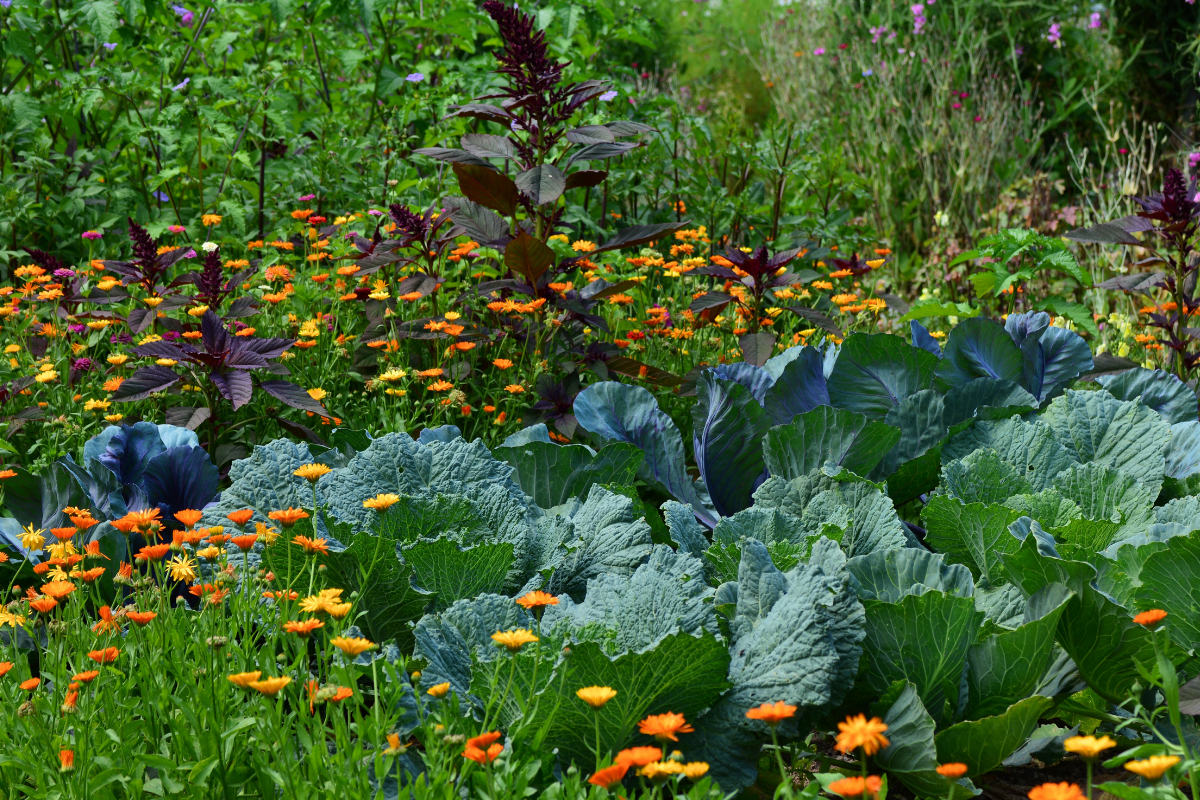
Running a Clinic is like Tending to a Garden
Two Hats, One Practice
At New Pathways I wear two hats — often more. Most of you know me as a therapist, but throughout the day I switch into the hat of business owner too. For a long time that felt confusing, because I was code-switching without realizing it: checking the bottom line and making sure we were productive one hour, then dropping into an intuitive, embodied way of being with clients the next.
This summer I learned I don't have to code-switch. I just needed a different understanding of our business model — one that follows organic principles instead of mechanical ones. I discovered biomimicry: the practice of applying nature's own patterns to how organizations and businesses are designed. It isn't a new idea to me, really. As a somatic therapist, I've spent years helping people learn to trust their body's own organizing intelligence instead of overriding it with rules from the mind.
This year, my monthly newsletter has quietly become a series of reflections drawn from nature — bees in spring, fire in early summer, the wisdom of elders in August. I hadn't put a name to what I was doing until this summer: biomimicry. From here on, I'll be publishing these monthly reflections as blog posts instead of newsletter essays, so it's easier for anyone new to find the thread and follow it from the start.
An Accelerator and an Unexpected Pitch
This has been an interesting summer. One thing I'm proud of: I completed an accelerator program for women in business called Ella Ascend, run in partnership with York University. It's for founders ready to take their business to the next level, and I was chosen because of the leap we made this year opening the Third Space and building toward group therapy alongside our individual practice.
It was a lot of work and commitment — more than I expected in a summer that was supposed to be restful. As part of the program, each of us pitched a business idea in three minutes. I pitched a group therapy program for health care workers recovering from trauma.
What I learned from that pitch, and from the program as a whole, is that scaling a mental health centre doesn't fit the traditional profit-driven model. We don't grow this for the profit — we grow it for the impact. I came away from Ella Ascend with a clearer picture: growth for New Pathways means evolving into something closer to a social enterprise or non-profit. I just didn't know yet how to get there.
A Building Sale and a New Invitation
The answer arrived the day after I graduated. This summer, our building at 720 Spadina changed hands after decades in the Frum family. Its new owner also runs YEDI, a business school and accelerator. When we met, he invited me to apply to their fall program for non-profits — the same kind of competitive, next-stage program as Ella Ascend, but built for organizations like ours.
I'm sharing this with those of you who have supported this clinic since we opened in 2019, because a clinic is like a living garden: it evolves, and it needs tending to flourish.
Tending an Ecosystem, Not a Yield
I've come to think of these business skills as gardening skills — the first being to know what kind of garden you're tending. A for-profit model is bred for maximum yield, in straight rows. A non-profit is closer to an ecosystem: it asks how all its parts — clients, community allies, associates, mentors — grow in relationship to each other, not in competition.
I want to be honest that this shift, from a for-profit practice to something closer to a social enterprise or non-profit, isn't going to happen overnight. It will take time, real learning, and partnerships with people who understand this terrain better than I do. But I'd rather move slowly toward the right structure than keep running fast in the wrong one.
That's the garden we're building here. It starts the moment someone reaches out, with an intake call with our intake manager, who helps match you with the therapist or program that's right for you.
This way of working fits who I am, personally and professionally. It also takes time, patience, and real learning to do well within a system built for something else — and I'm grateful to be figuring it out.
If you'd like to see what's growing in that garden this fall, our groups and workshops page has the full lineup.
